
Hazard Tree Assessment
Worried about a suspicious tree on your property? ALBY Tree Service provides honest, expert hazard tree risk assessments across West Georgia. Request a free evaluation.
Professional Hazard Tree Assessment Services
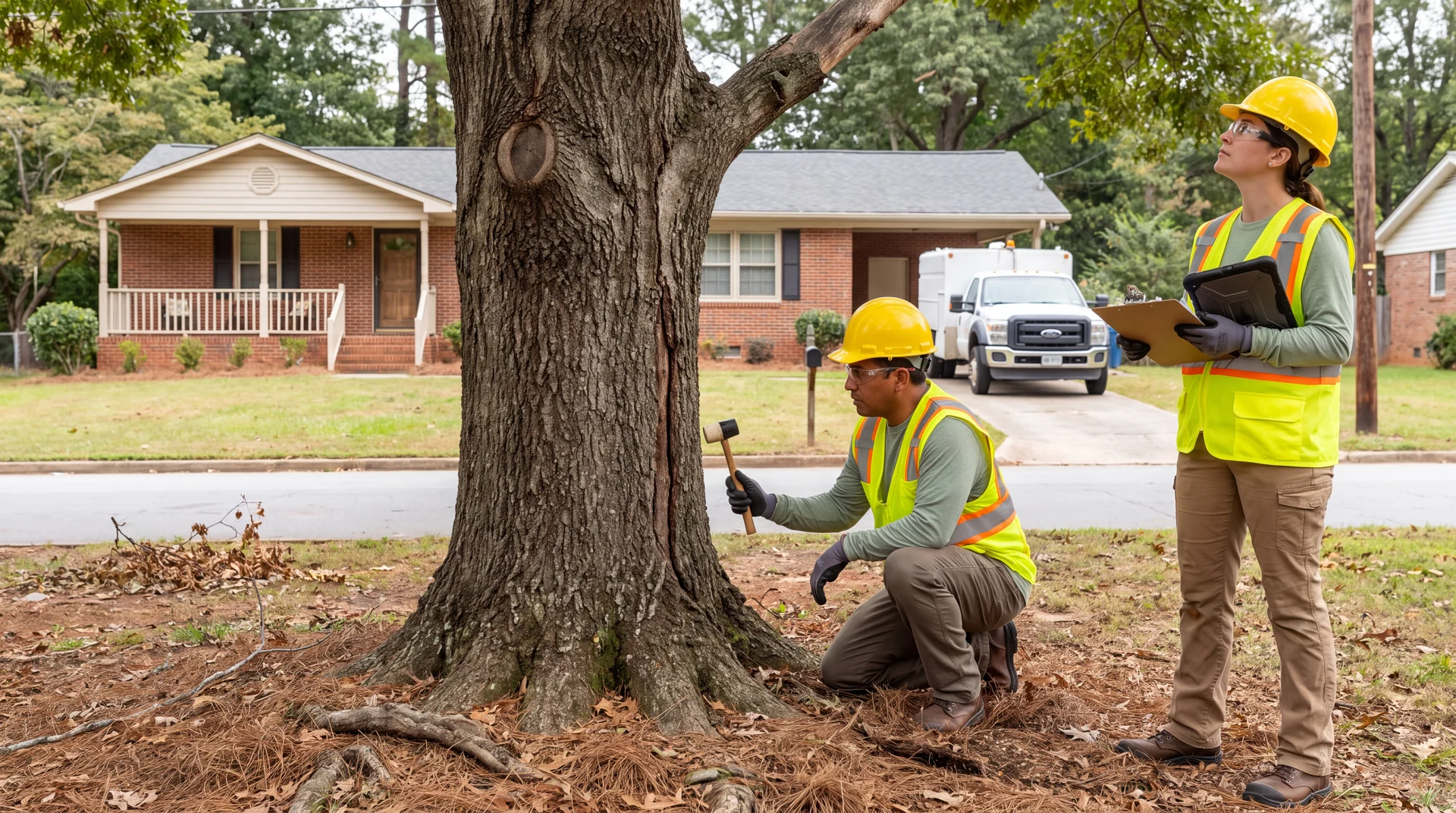
Not all dangerous trees look dead from the ground. In fact, many trees that appear green and lush on the outside are hollowed out by internal fungal rot, compromised by root plate decay, or split down the center from weak V-shaped branch unions. When a concealed hazard fails during a storm, the damage to your home or family can be catastrophic.
ALBY Tree Service LLC provides thorough, practical hazard tree assessments across West Georgia. With more than 15 years of combined local tree care experience, our team knows the unique soil conditions, decay patterns, and storm stresses that affect Georgia pine, oak, hickory, and sweetgum trees.
We inspect your trees methodically from root flare to canopy tip: checking for cracked soil and severed roots, hollow trunks, fungal conks (bracket mushrooms), bark necrosis, cavity rot, and dangerous crown lean toward your house or driveway. Most importantly, we provide honest, straightforward advice. We don't scare you into unnecessary removals if a tree can be safely preserved with targeted pruning—but if a tree is genuinely dangerous, we give you the facts you need to protect your property.
Get clarity and peace of mind before the next severe weather event. Contact ALBY Tree Service today to schedule your on-site hazard tree inspection!
Key Benefits You Receive With ALBY
- Honest, Unbiased Evaluation We don't push removals when pruning or monitoring can safely solve the issue
- Root-to-Canopy Inspection We check soil heaving, root rot, trunk decay, cavities, and weak unions
- Target Risk Analysis We assess what the tree could hit (roof, bedroom, vehicle, fence, neighbor's lot)
- Clear Written Action Plan Practical recommendations ranked by urgency so you can plan your budget
- 15+ Years Local Expertise Deep understanding of native West Georgia tree species and soil dynamics
Our Property Protection & Satisfaction Guarantee
We promise 100% transparency. Our assessments are based on genuine property safety and arboricultural science, never on quota-driven sales tactics.
Our Simple, Stress-Free Process
From your initial call to the final yard cleanup, here is what you can expect:
- 1Visual Tree Inspection We examine the root zone, trunk flare, main stem, branch scaffold, and upper canopy for signs of structural compromise.
- 2Internal Decay & Cavity Check We test for hollow sections, bark separation, wood borers, and active fungal infections.
- 3Target & Impact Zone Mapping We determine the fall radius and identify targets (living structures, driveways, utility drops, outdoor spaces).
- 4Actionable Recommendations We provide a clear verbal and written summary explaining whether the tree requires immediate removal, corrective pruning, or routine monitoring.
Have a Tree Concern in West Georgia?
Speak directly with our local crew. We provide free on-site inspections, upfront pricing, and fast scheduling.
This is general industry information, not legal or insurance advice. Requirements vary — confirm specifics with Carroll County (or your county) and your insurance provider before proceeding.
Project Gallery
Recent Hazard Tree Assessment Projects
Real photos of Hazard Tree Assessment jobs completed by ALBY Tree Service LLC across West Georgia.
Frequently Asked Questions
- Key warning signs include: mushrooms or conks growing near the root flare; a sudden or noticeable lean; soil cracking or lifting on the side opposite the lean; deep vertical trunk cracks; large dead limbs in the crown; and two trunks growing closely in a tight 'V' shape with included bark.
- If a dead tree is within falling distance of your home, garage, driveway, power lines, or where people gather, it should be removed as soon as possible. Dead trees become unpredictable quickly as wood dries out and root systems rot.
- In Georgia, if a neighbor's tree poses an open and visible danger to your property, having a professional tree service document the hazard allows you to send a polite certified notice to your neighbor. If the tree subsequently falls, liability may shift to their insurance. We can provide written inspection notes to help you navigate this diplomatically.
- In most residential scenarios across West Georgia, our initial visual tree safety inspection and quote are provided completely free of charge. Contact us to confirm availability for your property.
What are the most common warning signs of a dangerous tree?
Does a dead tree always have to be removed immediately?
What if the dangerous tree is on my neighbor's property?
How much does a hazard tree assessment cost?
Local Service Locations
Cities We Serve for Hazard Tree Assessment
Click your city below to view local availability, project photos, and contact info.
Hazard Tree Assessment in Carrollton, GA📍 View Hazard Tree Assessment in Carrollton→Hazard Tree Assessment in Douglasville, GA📍 View Hazard Tree Assessment in Douglasville→Hazard Tree Assessment in Hiram, GA📍 View Hazard Tree Assessment in Hiram→Hazard Tree Assessment in Newnan, GA📍 View Hazard Tree Assessment in Newnan→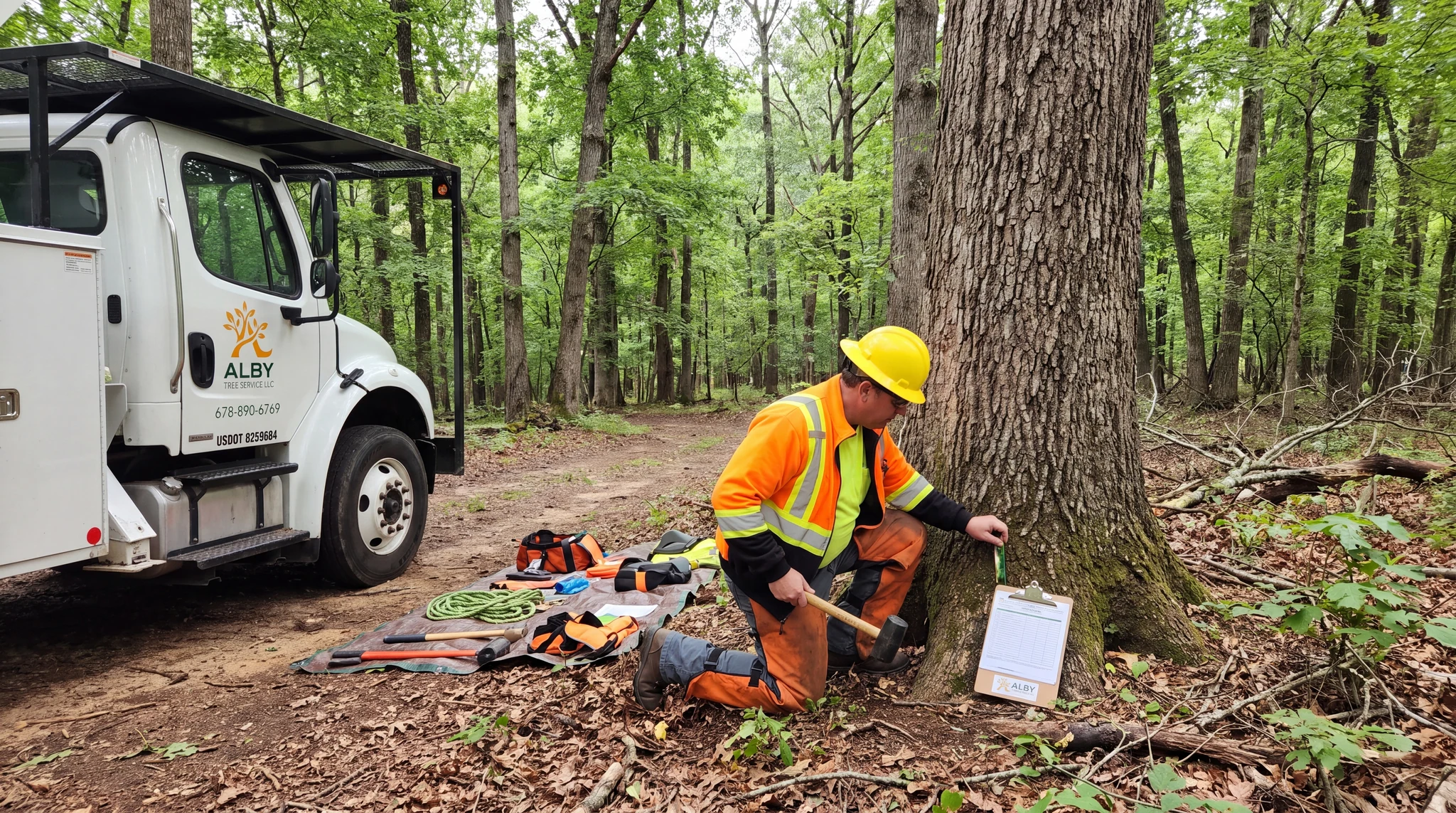 Hazard Tree Assessment in Villa Rica, GA📍 View Hazard Tree Assessment in Villa Rica→
Additional Tree Services
Explore Our Other Professional Services
Licensed and fully insured tree care across West Georgia, with 28 combined years of hands-on experience.
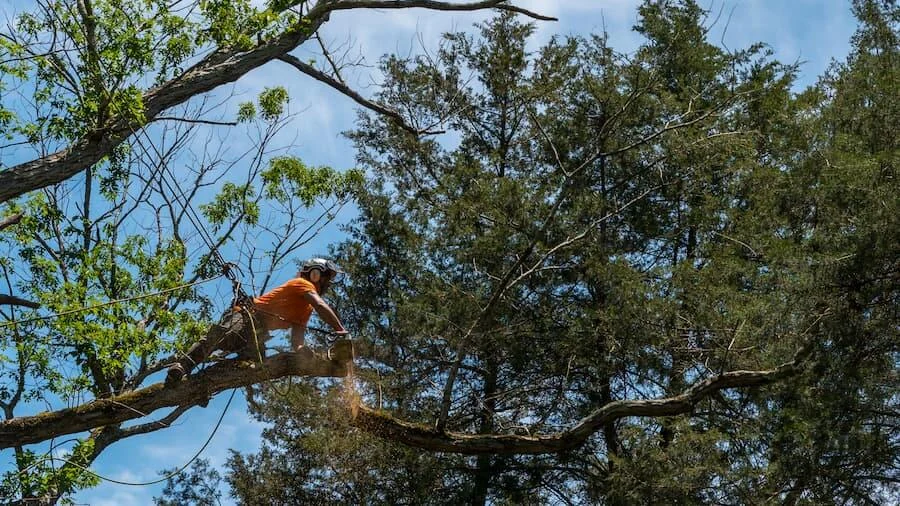 Tree RemovalExplore Service Details→
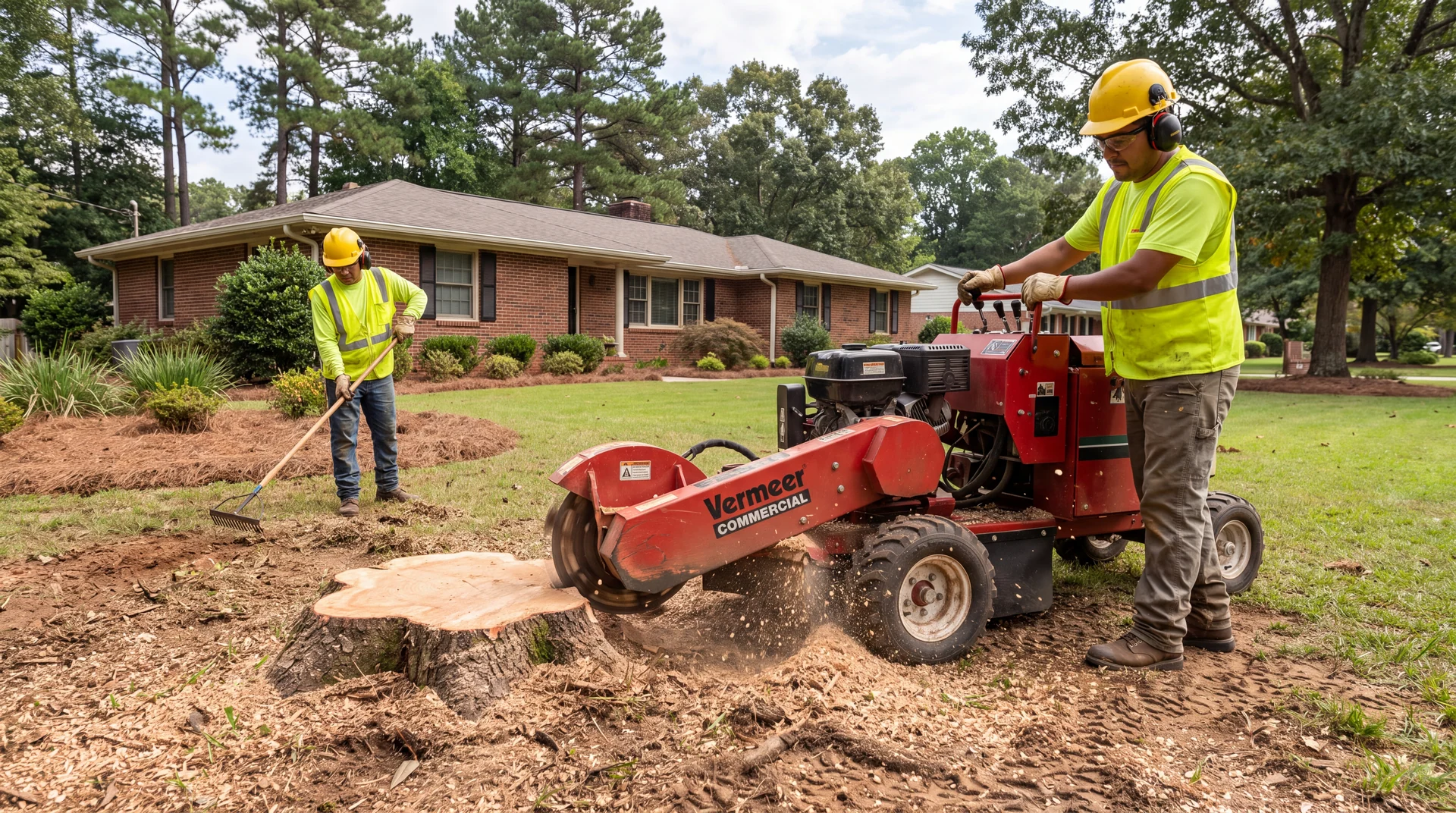 Stump GrindingExplore Service Details→
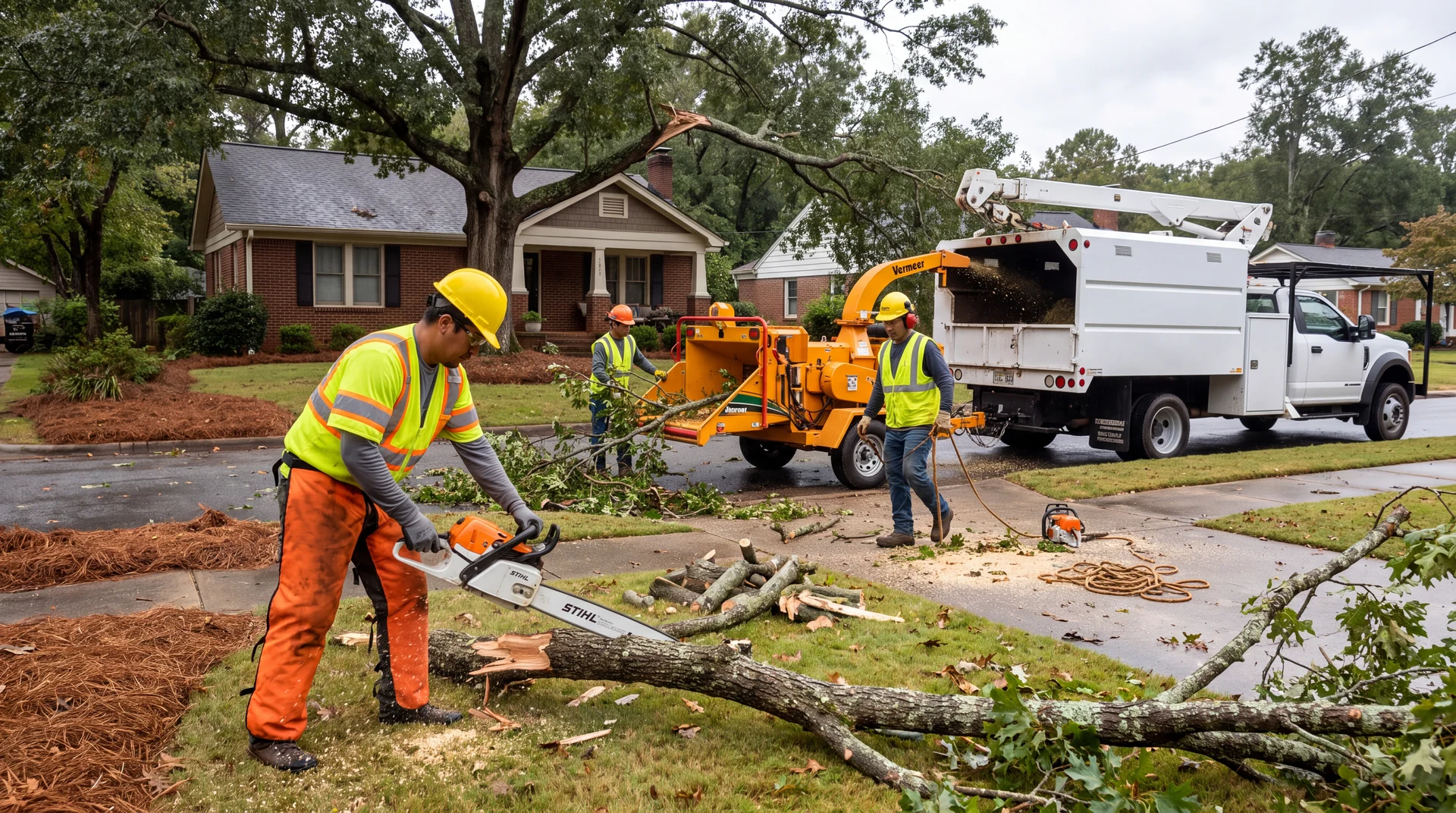 Storm Damage CleanupExplore Service Details→
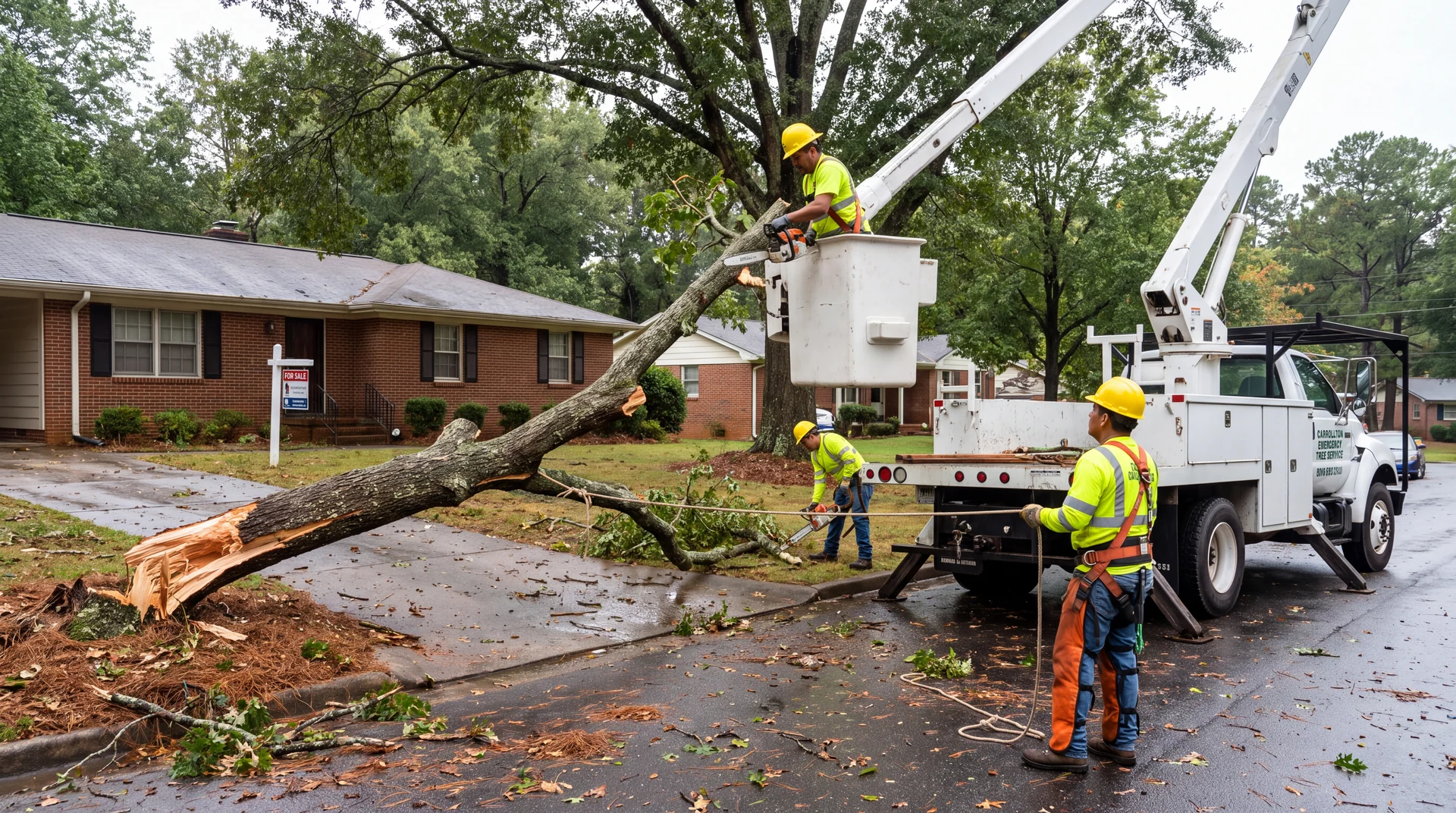 Emergency Tree ServiceExplore Service Details→
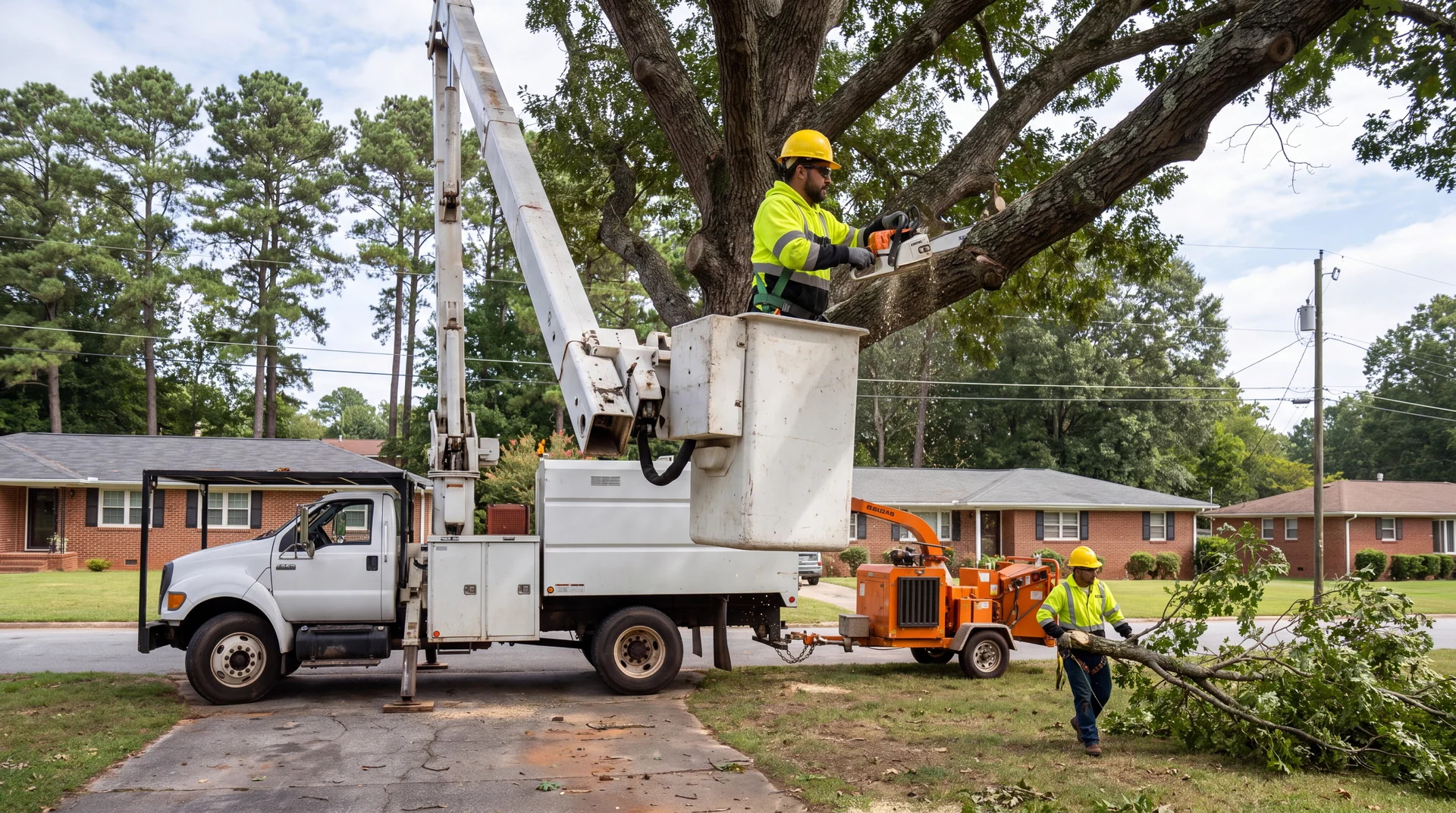 Tree Trimming & PruningExplore Service Details→
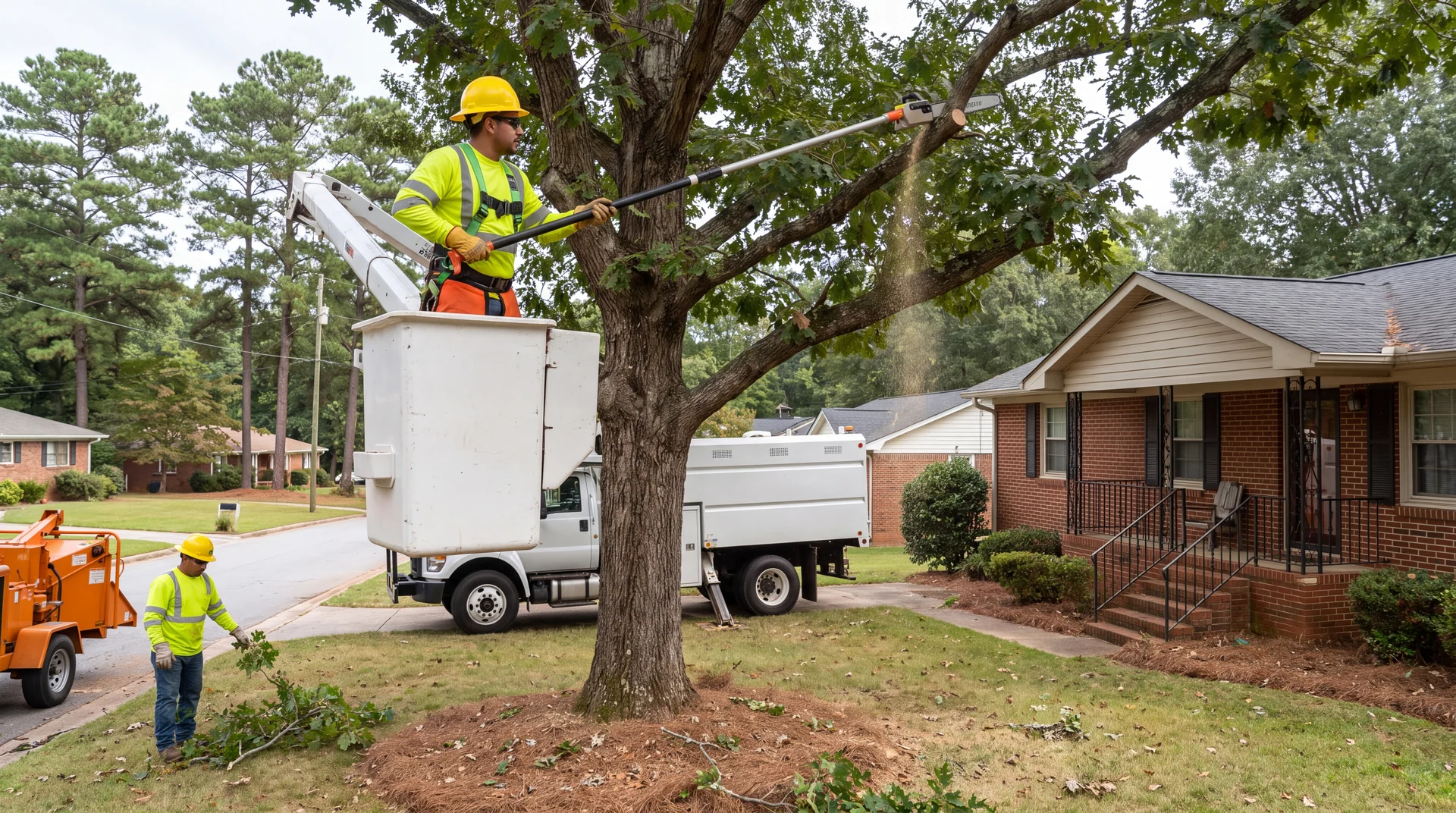 Canopy ThinningExplore Service Details→
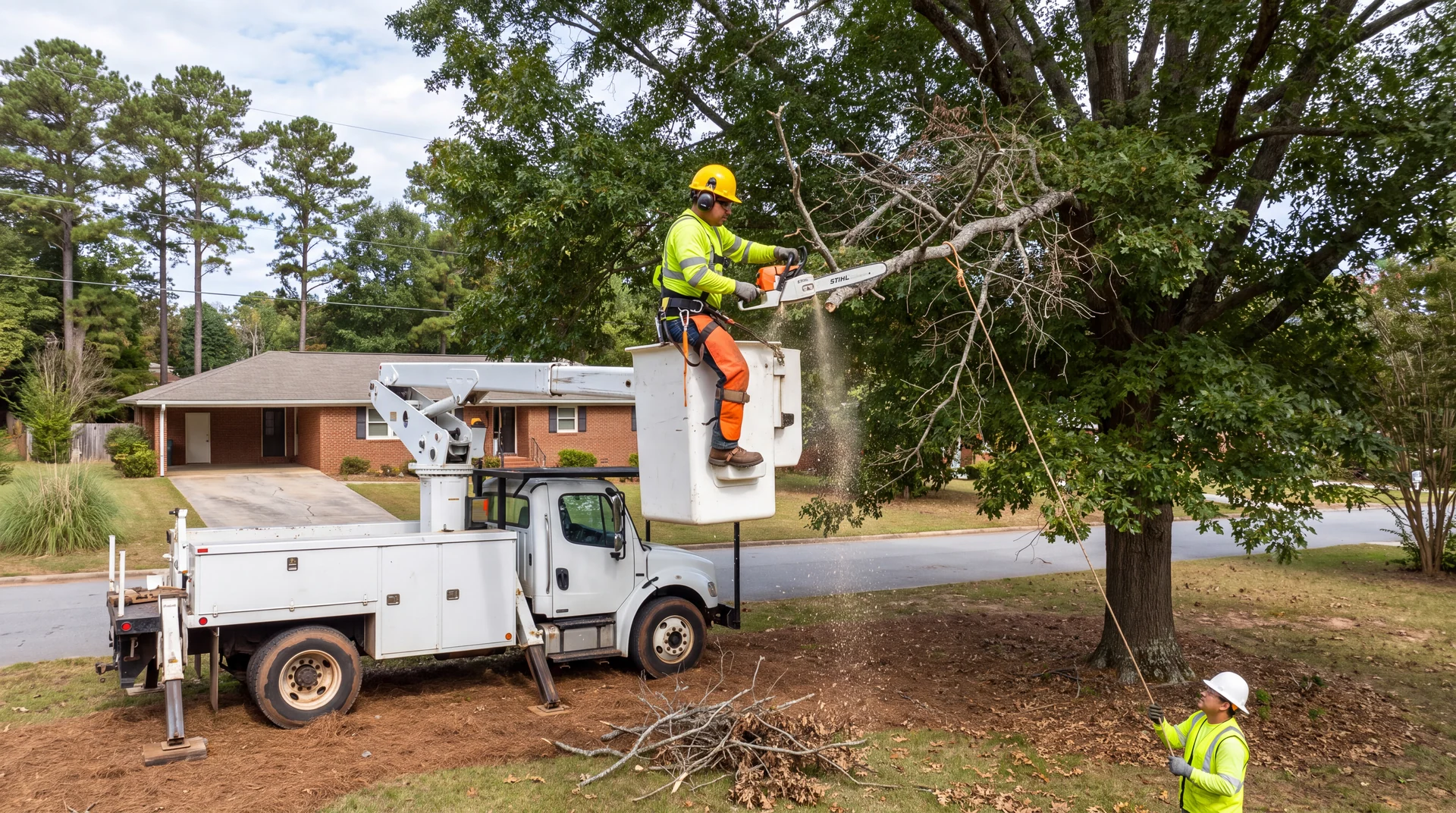 Deadwood RemovalExplore Service Details→
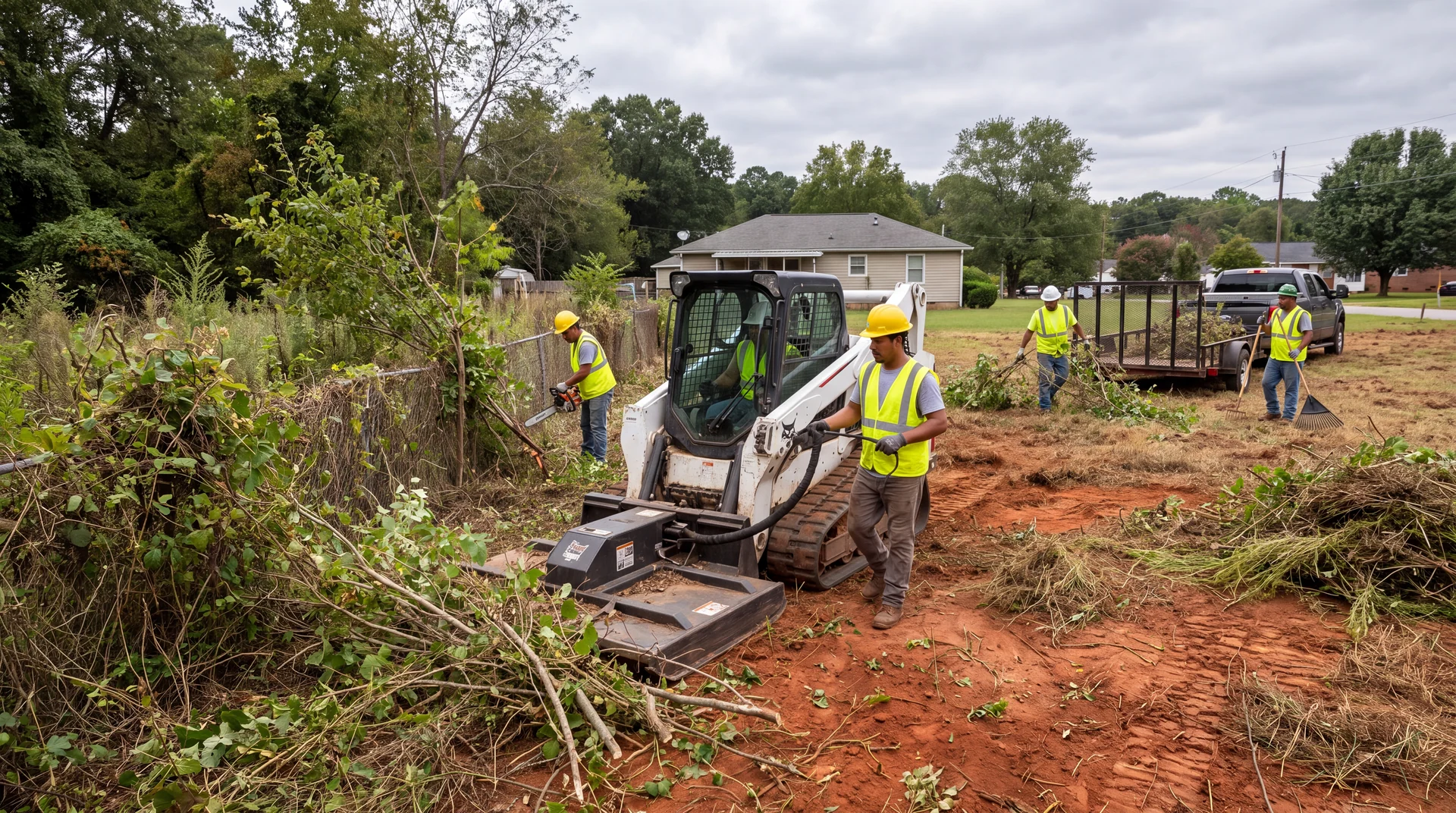 Lot & Brush ClearingExplore Service Details→